
Headaches in children
Headaches in children are common and can be caused by things like stress, dehydration, genetics and more. While most children who have a headache will not have a brain tumour, headaches are one of the symptoms of brain tumours, making it important to know the signs to look out for.
Children who have a headache caused by a brain tumour are likely to be experiencing other symptoms, so you should look out for these carefully.
Vision change in a child
Many children will experience changes to their vision, abnormal eye movements and other visual abnormalities. Most of these are not caused by a brain tumour. But, vision changes can sometimes be signs of a brain tumour.
Nausea and vomiting in children
Nausea and vomiting is something that many children experience as part of a minor illness and most of the time it will not be a symptom of a brain tumour. But, brain tumours can sometimes cause nausea and vomiting, so it’s good to know the signs to look out for.
Balance problems in a child
Babies and children develop skills such as sitting, walking and running as they grow up. These are known as motor skills and it’s normal for different children to learn these at different rates. But, balance problems in a child can be a symptom of a brain tumour, so it’s important to know the signs to look out for.
Children’s seizures
Children’s seizures or fits can be caused by many different things. But, they can sometimes be symptoms of a brain tumour. So, if your child has a seizure, it’s important to know what to do.
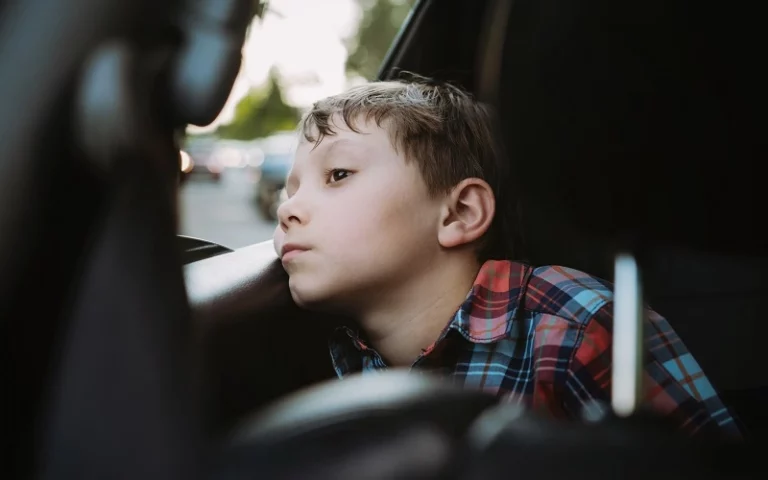
Behaviour changes in a child
Many children will show behaviour changes on some occasions. These might be related to changes in their home or school life, developing into adolescence or ill health. But, behaviour changes are also symptoms of brain tumours. So, it’s important to be aware of this and other signs.
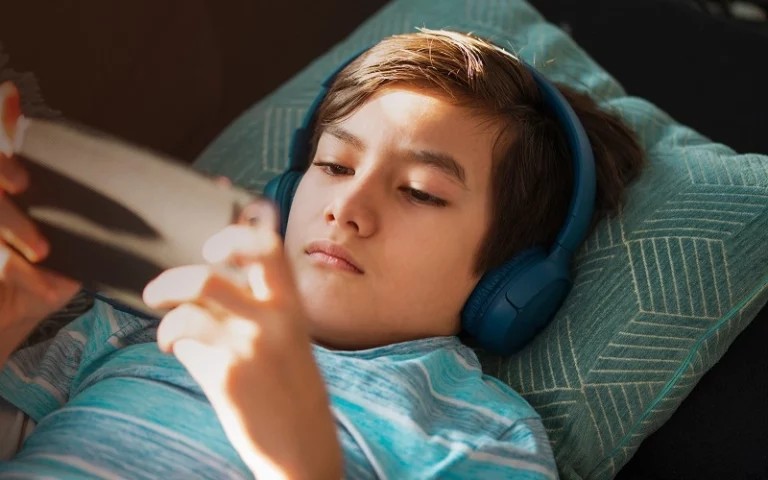
Abnormal head position or head tilt in a child
Abnormal head position means a problem with your child’s neck, causing them to hold or move their head in an unusual way. There are a lot of causes for head tilt in a child, but it could be a sign of a brain tumour. If your child has this symptom, it’s important to take them to your GP.
Delayed puberty
Delayed or arrested puberty could be caused by a brain tumour. It’s important to remember that brain tumours are rare, but if you’re concerned, you should visit your GP.
Abnormal growth in a child
Abnormal growth can be caused by a number of things. But, it’s important to know that abnormal growth in a child can be a symptom of a brain tumour.
Excessive thirst in children
It’s normal for babies and children, especially toddlers, to drink a lot and pass lots of urine (wee). This is called habitual drinking. But excessive thirst and increased urination in babies, children and teenagers can be a sign of diabetes mellitus or diabetes insipidus, which can be caused by a brain tumour.

Reduced consciousness
If your baby, child or teenager is unresponsive or less responsive than usual, this could mean they have reduced consciousness. Reduced consciousness can be a sign of a brain tumour.
How can I tell if my baby, child or teenager has reduced consciousness?
At any age, reduced consciousness can involve:
- reduced response to pain – your baby, child or teenager may not open their eyes, flinch, withdraw, grimace nor respond verbally when they would otherwise do so
- reduced response to a person’s voice – e.g. they do not open their eyes when called
- whimpering or moaning
- making incomprehensible sounds
- appearing confused and unable to find the right words to use
- being unable to be roused from sleep – this indicates that the reduced consciousness is serious.
Reduced consciousness in your baby, child or teenager could be caused by a serious illness, so it is important for them to see a doctor as soon as possible. If you think your child has reduced consciousness, call 999 straight away and ask for an ambulance.
I think I have a brain tumour, what should I do?
Brain tumours are rare, however, if you’re worried and a symptom persists or if your child has more than one symptom of a brain tumour then:
- Talk to your doctor
GP appointments are usually quite short, so make sure you find out how to best prepare for your child’s appointment. - Get an eye test
If your child’s symptoms are limited to changes in vision and/or headaches, get their eyes tested by an optician before seeing your GP. - Go to A&E
If the symptoms are sudden or severe, you should go to your emergency department or call 999.