
Summer Health: Keeping Kids Safe
The Summer Holidays are a great time for kids to get outside and enjoy the (hopefully) nice weather.
However, outdoor activities can bring some hazards and risks that we must be aware of to keep kids and ourselves safe.
This article will focus on water safety and dealing with insect bites and stings.
Water Safety
Whether you’re at the beach, by a river, or have a paddling pool or hot tub in the garden, it’s vital to be safe around water.
Last year, 236 people drowned in the UK, and it’s one of the ten leading causes of death for children aged 5-14.
If you’re at a beach, check for flags. The RNLI has a practical flag guide. A red and yellow flag means a lifeguard is on duty and is the safest place to swim.
Other tips to stay safe include:
- never use inflatables in open water as they can get blown out to sea
- water is often colder than you think and can cause shock, so make sure you take it slow and get used to the temperature
- Always make sure someone is watching from the beach and knows where kids are in the water
- If anyone gets into trouble, call 999 or 112 and ask for the coastguard.
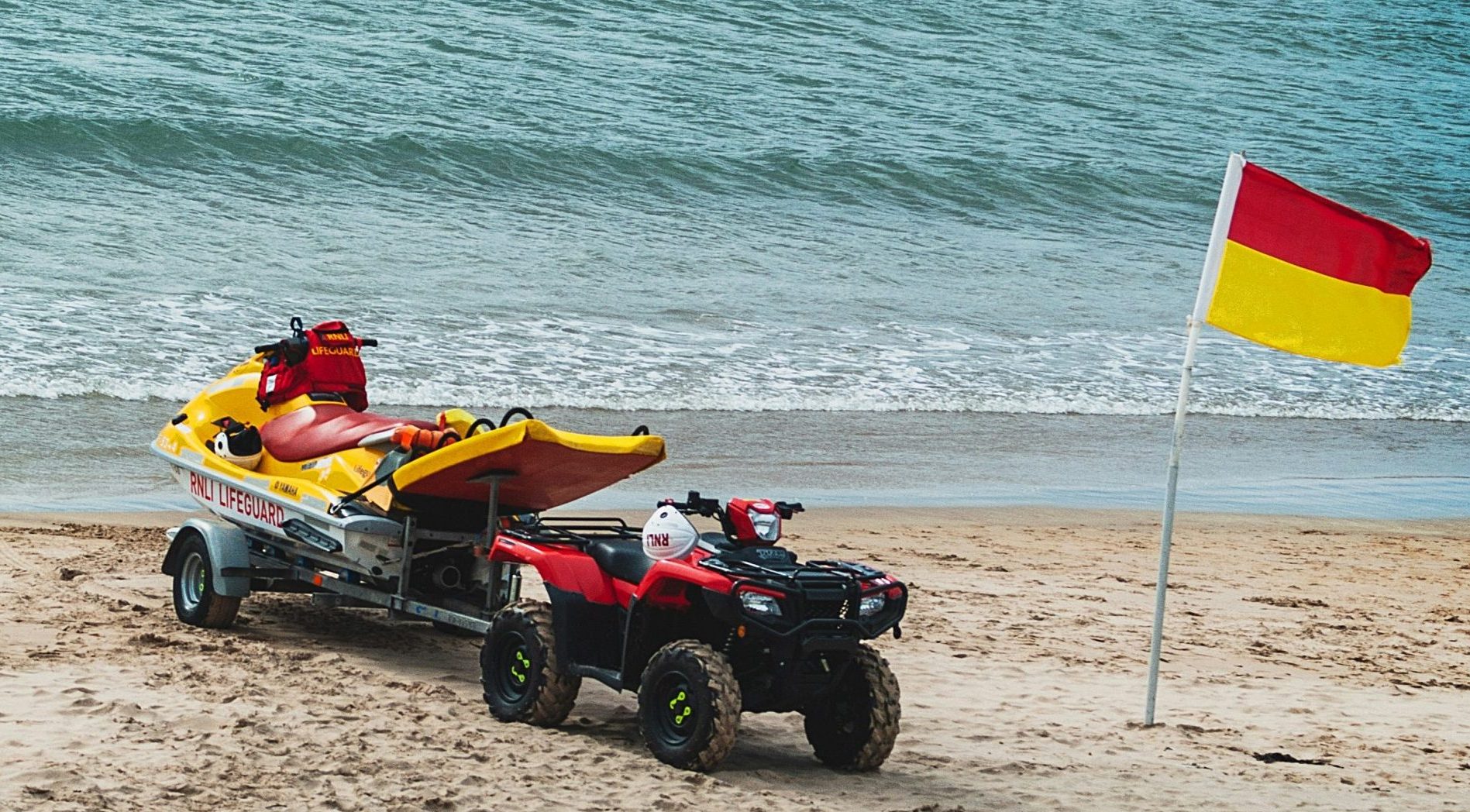
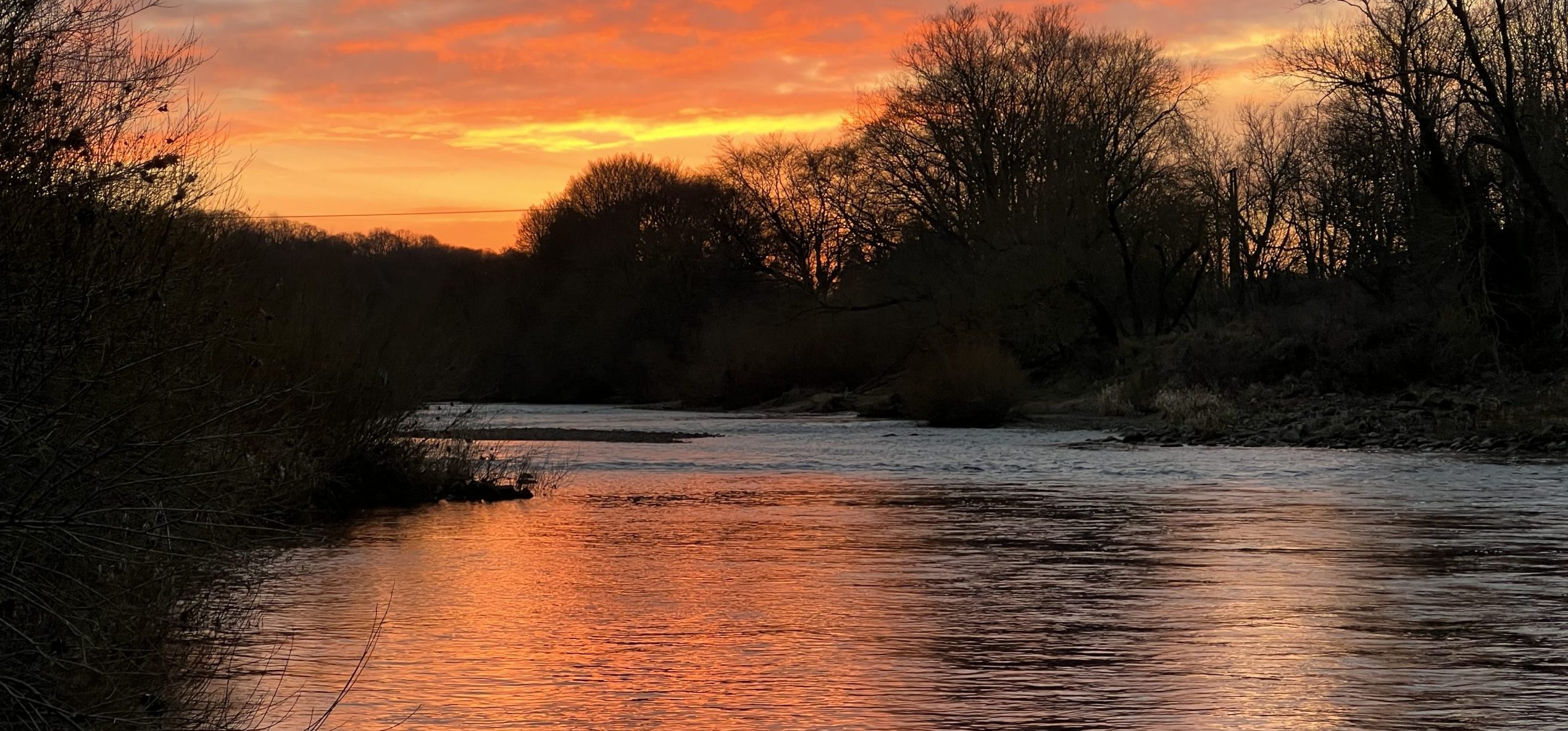
More people drown away from beaches, so safety and rivers, lakes and at home must be overlooked.
Children – especially the very young – can drown in a surprisingly shallow amount of water, so never leave little ones unattended in or near water. Make sure to empty paddling pools and turn them over after use. Make sure hosepipes are turned off at the tap or disconnected, so children can’t fill them on their own.
Calm-looking rovers can still present dangers, with strong currents and objects under the surface.
Like at the beach, be aware of the water temperature and take the time to acclimatise. Water can be shallower – or deeper – than it looks, so make sure you’ve assessed the area before kids start jumping in.
Uneven river beds, rocks, and other objects can cause injury or cause kids to get stuck, so always make sure young people are supervised and that you have a way of calling for help.
Water Safety Advice
The Royal Life Saving Society has produced this helpful guide to water safety.
Insect bites and stings
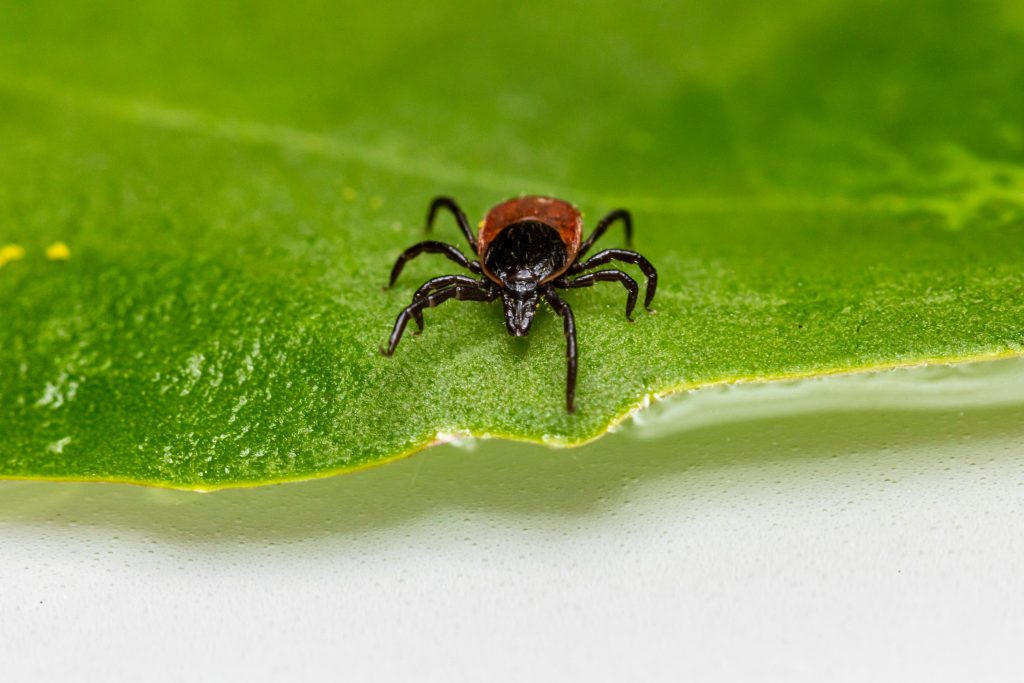
Tick bites can be common in woods or areas with long grass. Ticks are tiny spider-like creatures that bite into your skin and suck on your blood for a few days before dropping off. It sounds horrendous, but most tick bites are harmless.
That said, a small number of ticks are infected with the bacteria that causes Lyme disease.
You must remove the tick promptly and properly before it can infect you or a child. Lyme Disease Action has a guide to safely removing ticks.
If a circular red rash develops around the bite, it may be infected, and you should seek help from a Doctor. Lyme Disease can also cause flu-like symptoms, like feeling hot and shivery, headaches, sickness, or muscle aches.
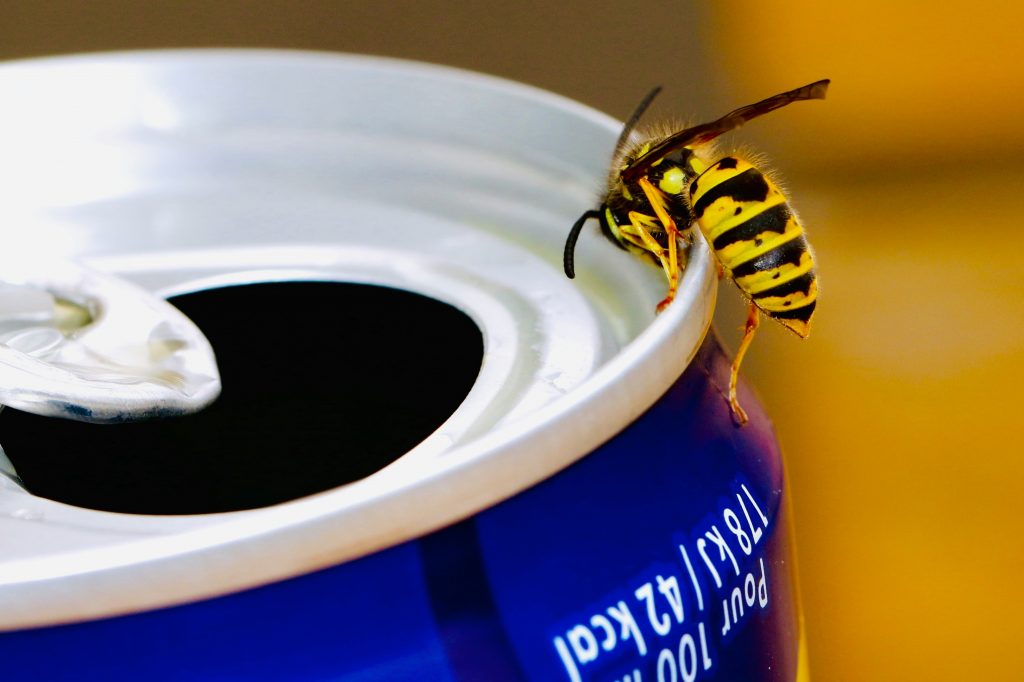
Another summer risk is a bee, wasp or hornet sting. These are usually not serious and get better in a few days, but they can become infected or cause an allergic reaction.
The first thing is to see if the insect has left its stinger in the skin. If it has, brush it sideways with your nail or a bank card to remove it. Don’t use tweezers; this can squeeze the poison from the stinger into the skin.
Make sure the skin is cleaned thoroughly with soap and water. If it is swollen or sore, wrap it in a clean, wet tea towel or an ice pack wrapped in a cloth.
To ease pain or discomfort, you can use paracetamol, ibuprofen, or antihistamines to relieve itching. As difficult as it can be, try to avoid scratching the skin, as this can cause infections.
If the symptoms get worse, then you should Think Pharmacy First.
Pharmacists can give you advice and treatment, like steroid creams, without an appointment. You don’t need to see a GP first. Find your nearest Pharmacist and their opening hours here.