
Summer Health: Hay Fever
Has your hay fever been worse than usual this year? Or maybe you noticed that sneezing started that bit early?
More than one in four people suffer from hay fever, three times the number 30 years ago. Four in five people with asthma suffer from hay fever, and it can be much more severe.
Rising temperatures mean allergens appear earlier and stay longer. The mild, rainy Spring months create perfect conditions for pollen to flourish.
So what can we do?
Be Prepared
There’s no cure for hay fever, so if you often get it, be prepared.
If hay fever gives you a blocked nose, plan to use your nasal steroid spray before the summer high points in July and August.
It’s also worth having a supply of non-drowsy antihistamines to relieve your symptoms and nasal allergen barrier balm to stop pollen from getting in your nose.
Local Pharmacies can provide advice, recommend treatments, and supply them without first making an appointment or seeing a GP. Hayfever is one of many common conditions that Pharmacies can help you with.
You can find a Pharmacy near you on the NHS website.
Plan Ahead
The Met Office has a Pollen Forecast. You can check the expected pollen levels in any area of the country for the next five days.
Pollen counts are at their highest in the early morning and evening. The weather conditions, of course, play a part too.
Warm, dry weather will lead to higher grass pollen counts. Spores, produced by plants like moss and ferns, can be higher during and after thunderstorms, especially with strong winds.
It may be worth limiting your time outside on days with high or very high pollen counts.


Block and Wash
Pollen is fine and sticky. Blocking it out when you are outside is the best way to minimise its effect.
Sunglasses can help prevent pollen from reaching your eyes, and wearing a hat can stop it from sticking to your hair and getting into your face.
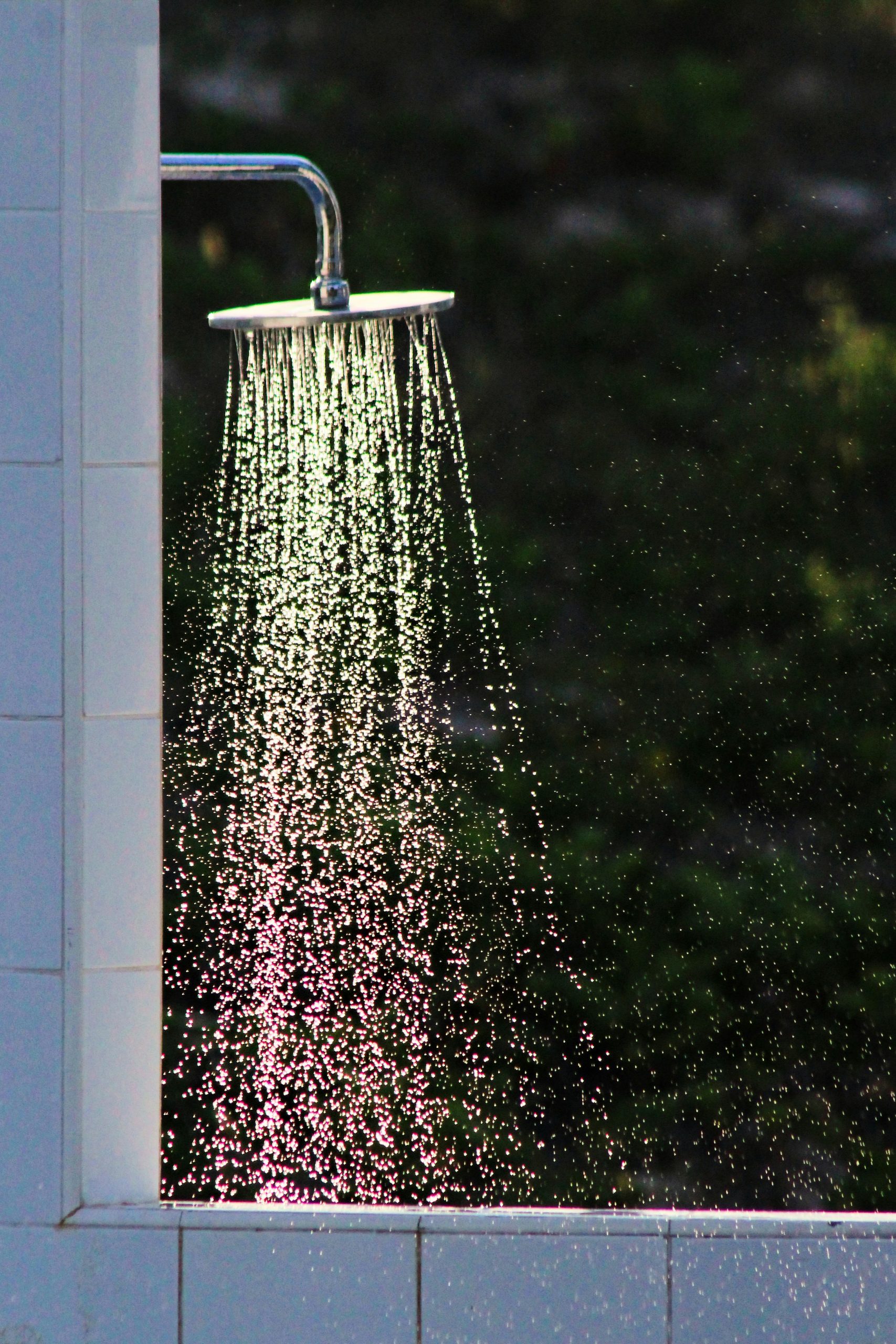
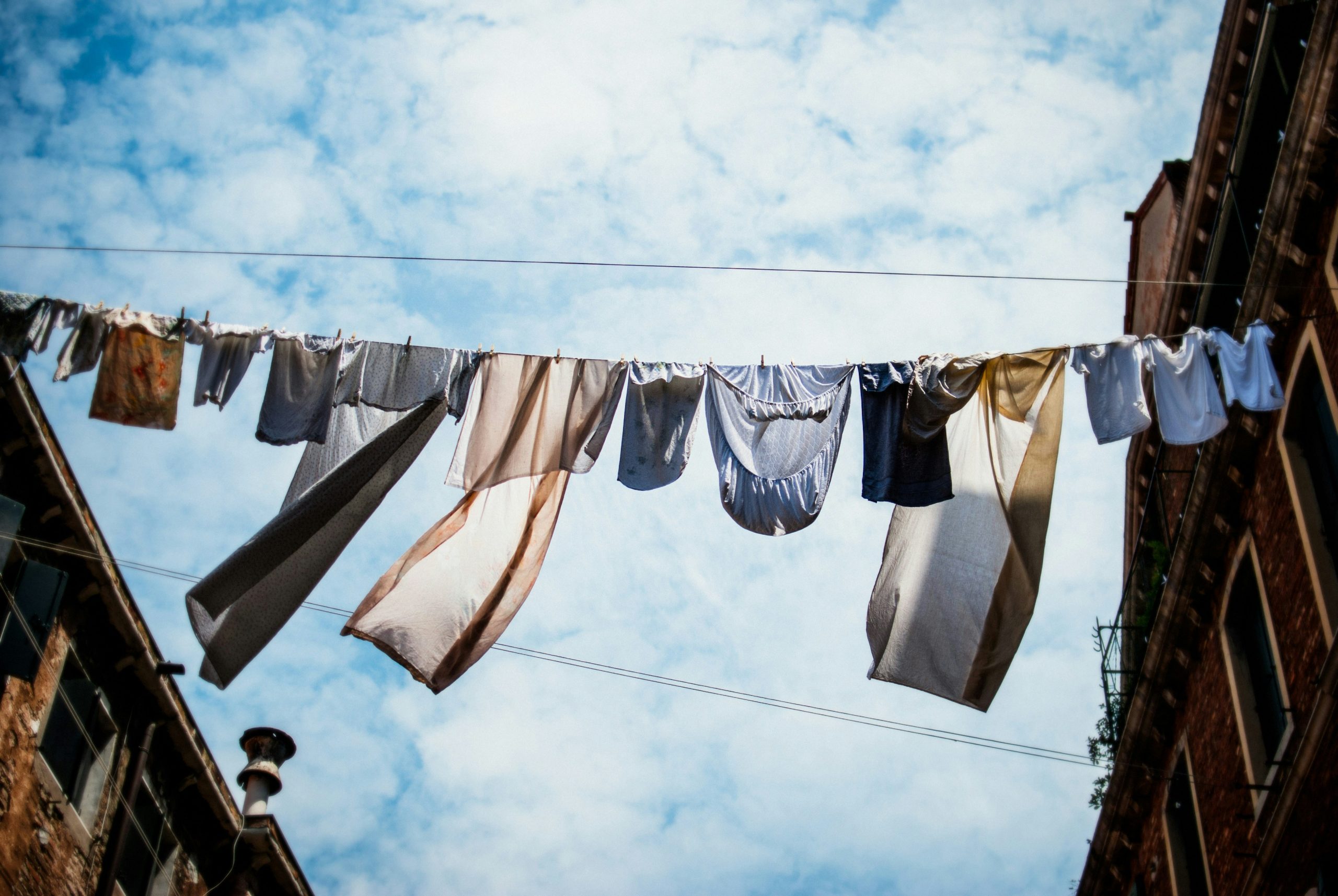
When you get home, shower, wash your hair, and change all your clothes. Pollen may be stuck to your clothes, so put them in the wash. For the same reason, don’t put clothes or towels out to dry on a washing line.
Keeping your windows and doors closed will stop pollen from blowing in.
Hayfever in Pregnancy
If you are pregnant and need additional help avoiding pollen, getting the correct antihistamine tablets is vital.
Some pills may make you drowsy, and you should avoid them during pregnancy. Decongestants are usually not recommended either, as they relieve blocked noses by narrowing blood vessels, which can reduce blood flow to the placenta.
Your local pharmacist can advise you on what to take and what to avoid for pregnant and asthmatic people.
When to contact your GP
If you are still experiencing bad symptoms despite taking precautions and following advice and treatment from a Pharmacist, it might be time to contact your GP.
It is essential to go through the other stages, as they will help most people effectively manage hay fever.
A GP may prescribe a steroid treatment for more severe cases or refer you for immunotherapy. This specialist service helps you build up a resistance to pollen over months. Because it takes time, this treatment usually begins in the winter before pollen levels rise.